A club-floor essay on controlling images, authenticity-as-performance and turning „bottom-coded / trans clocked“ into tactics – not traps.
Disclaimer: This text uses terms like „bottom-coded“ and „trans clocked“ critically – naming how stereotypes operate as social control and reclaiming them as subversive principles.
Let’s start where it actually starts: in the dark.
In the club, images don’t just appear – they get summoned. A strobe confession. A phone held up like a little altar. A face caught mid-blink and turned into evidence. A rumor with a ring light. A body translated into a story before it even finishes sweating.
The music industry loves this because it already thinks in images: who looks expensive, who looks innocent, who looks dangerous, who looks „real“, who looks like a headline, who looks like a problem. It’s not just aesthetics – it’s sorting. A soft bureaucracy with glitter on it.
And some nights the air gets … directive. You can feel the room learning what it’s allowed to want. Who it’s allowed to touch. Who it’s allowed to laugh at. Who it’s allowed to doubt. The bass isn’t just bass – it’s a metronome for consent, for status, for who gets to be human.
That’s where controlling images come in. Patricia Hill Collins names them clearly: controlling images are specific, pervasive, often racist or sexist stereotypes used to normalize social inequalities, oppression and power structures. They’re not „just representation“. They’re social control that looks like common sense. They make hierarchy feel natural. They make exclusion feel like taste.
Controlling images are intersectional by design, because they don’t just stereotype who you are, they decide how race, gender, class and sexuality get read on your body at the same time. And what kind of power you’re allowed to have.
In the music industry, controlling images aren’t posters on the wall – they’re the wall. They’re the lighting plot, the guest list, the press angle, the booking email that never gets answered, the „we already have one of those“ said with a smile. They’re the story you’re allowed to be before you even open your mouth.
And the currency that keeps this whole machine purring is visibility.
Visibility is sold as salvation: get seen, get streamed, get booked, get verified, get photographed, get tagged. But visibility is also a leash. Because the industry doesn’t just offer you a spotlight – it offers you a template for what you’re allowed to look like inside it. Be visible, but not complicated. Be authentic, but not inconvenient. Be vulnerable, but on schedule. Be political, but not about money. Be queer, but not „too much“. Be trans, but don’t make anyone feel guilty. Be a story, not a person.
That’s the authenticity trap: authenticity as performance.
The moment you’re visible, you’re asked to prove you’re „real“ in a way that conveniently matches what the audience already expects. Authentic becomes a genre with rules. A brand voice. A palette. A set of approved emotions. The industry loves „authenticity“ because it sounds like freedom while functioning like compliance.
And controlling images are the bouncers at the door of authenticity.
Bottom-coded is one of their favorite stamps. It’s the way a person gets translated into a sexual position as a social rank: cute, available, unserious, consumable. It’s a shortcut that tells the room how to treat you – how to talk over you, touch you, book you for the vibe but not the headline, praise you for being „fun“ while keeping you away from power.
Trans clocked is another stamp. Clocking is surveillance pretending to be perception. A room deciding it has the right to read you, sort you, correct you – then calling it honesty, critique, „just noticing“. It turns a trans body into public property and then it calls the violence „discourse“. It’s a controlling image that says: your authenticity is always on trial and the jury is drunk.
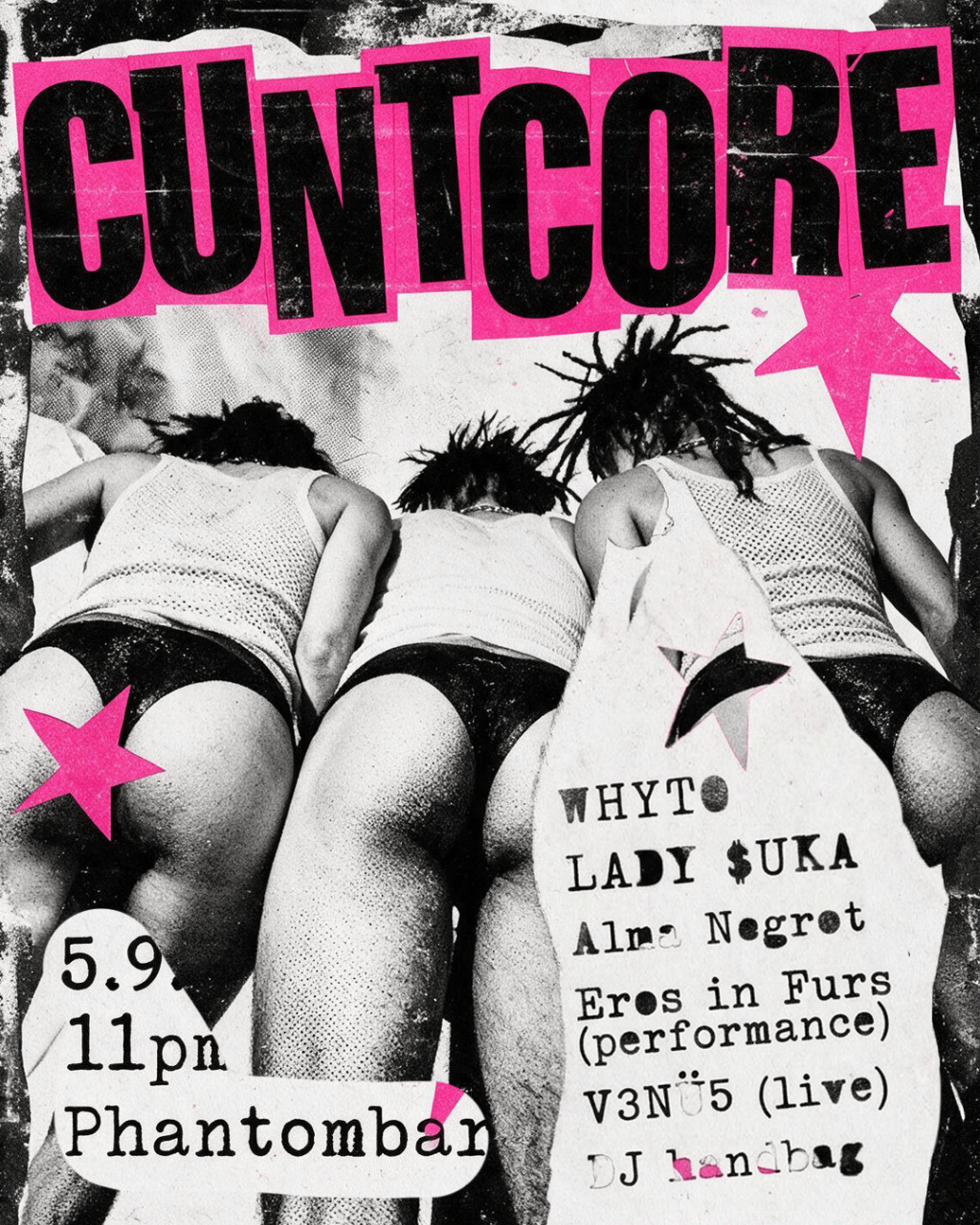
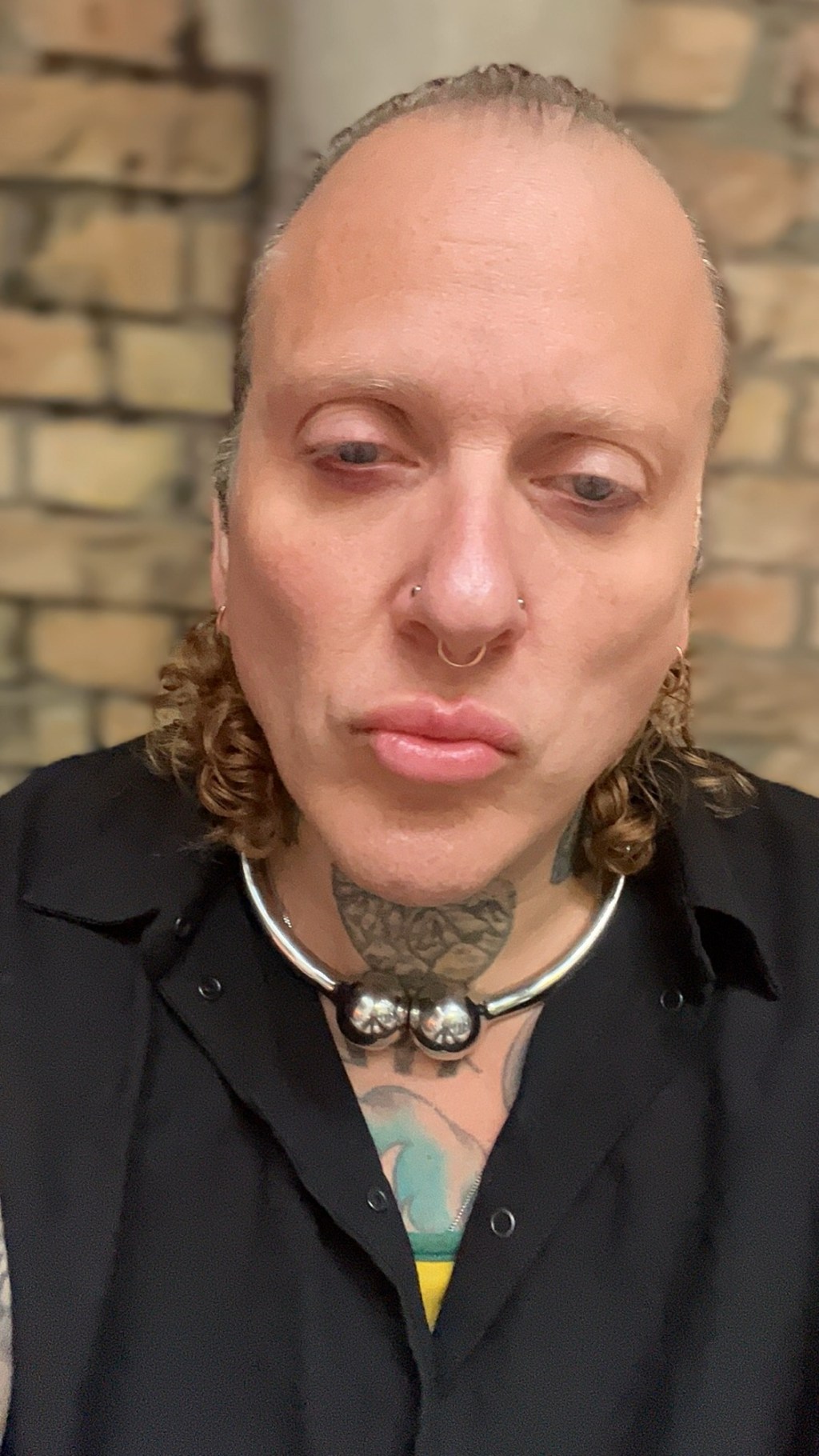
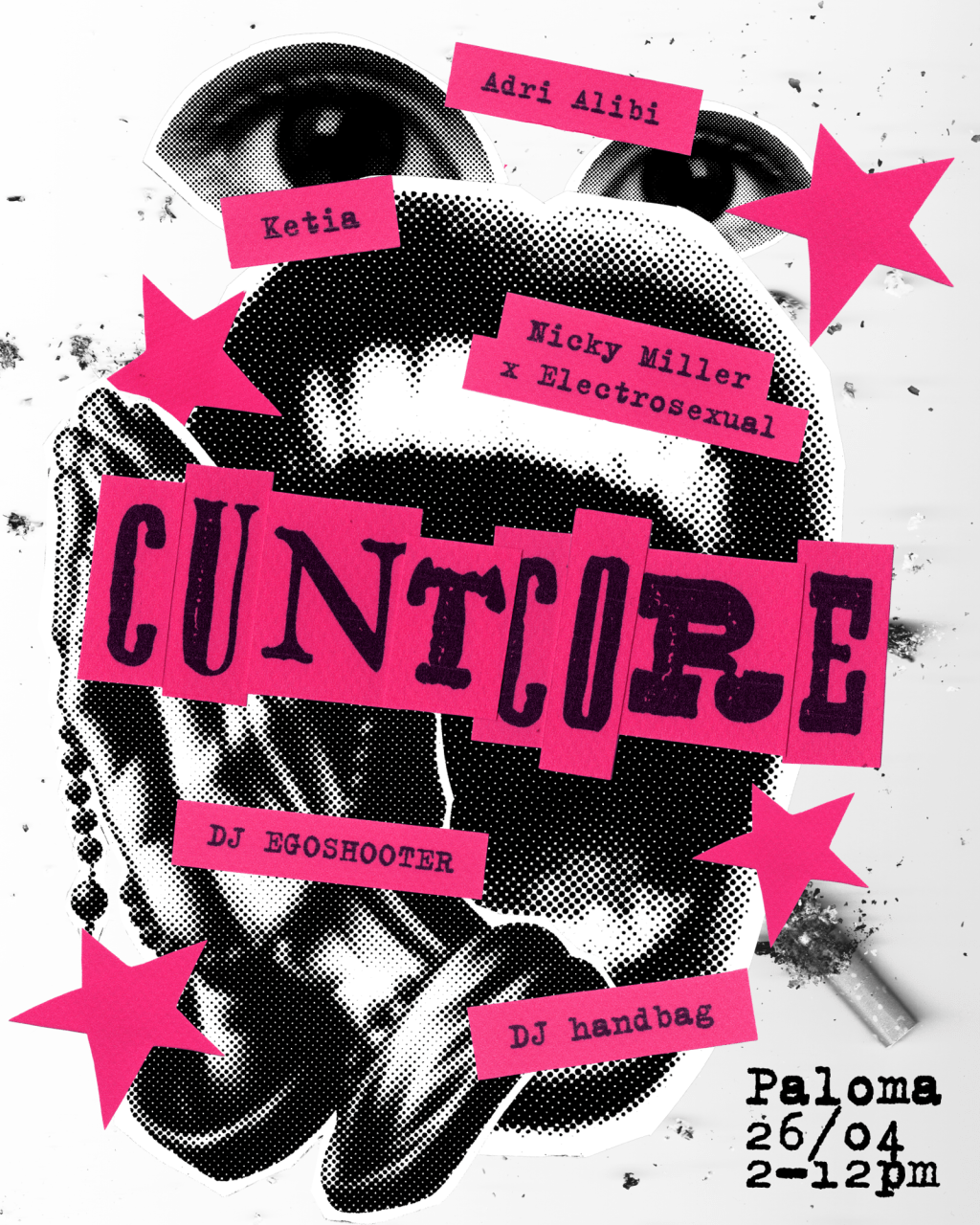
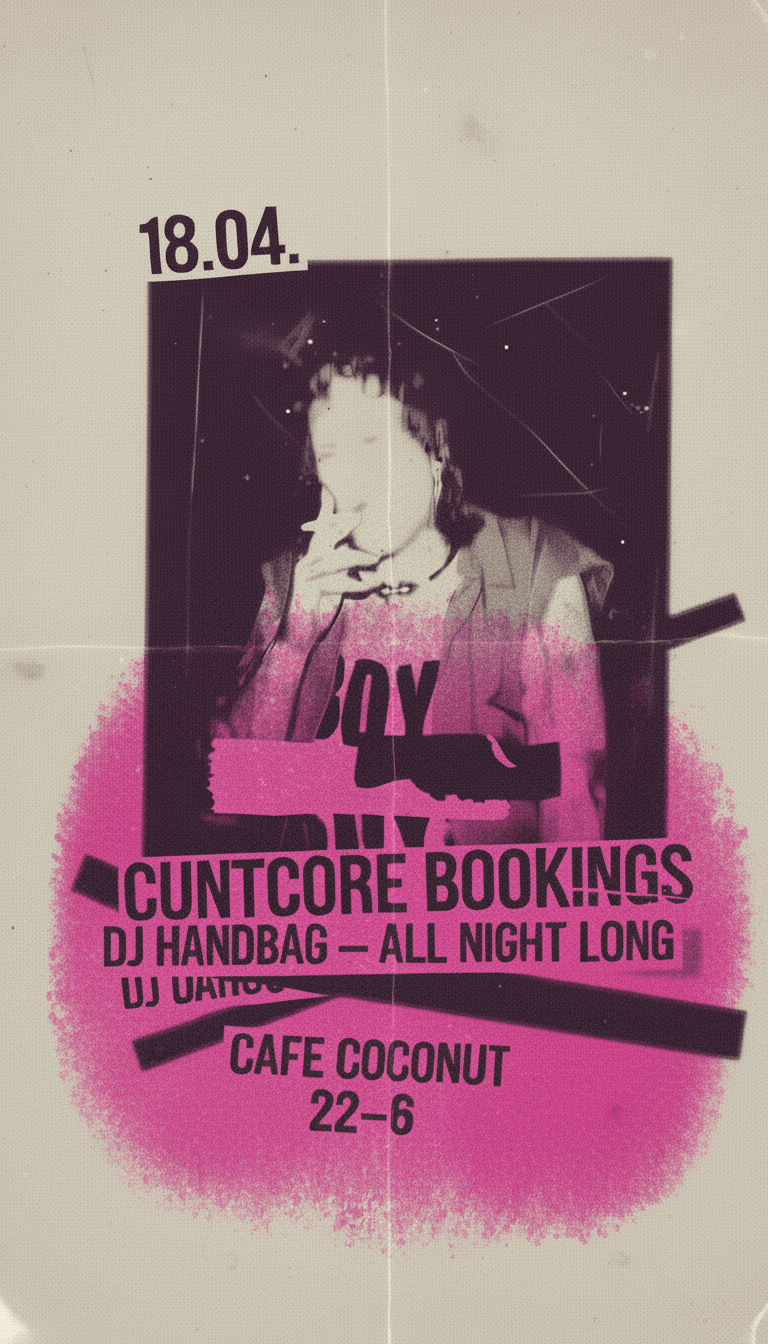
„Bottom-coded, trans clocked – I turn the scan into choreography: softness without surrender and a gaze that reads the room back.“ DJ handbag
This is why visibility can feel haunted. Because you’re not just being seen – you’re being processed.
So I’m writing with Chekhov’s Gun in mind: if you hang a gun on the wall in Act 1, it must go off by Act 3. In our world, the gun is the repeated setup that gets framed as normal: the demand for proof, the constant „explain yourself“, the camera that never stops, the caption that becomes a contract, the way a scene rewards the people who can be consumed cleanly and punishes the people who can’t.
If the gun is on the wall, I won’t write it as decor. I’ll write it as mechanism.
And I’ll use a set of aesthetics as discipline – because power loves a smooth story.
Fukinsei: asymmetry. I won’t balance the harm of being misread with the „benefit“ of exposure. I won’t pretend the trade is fair. The sentence will lean toward the person being handled, not the system doing the handling.
Yugen: depth that can’t be fully seen. Authenticity isn’t a selfie. It’s not fully legible. It’s the part of you that refuses to become content. I’ll let the writing keep its shadows – because some truths only survive in dim light.
Seijaku: stillness. The refusal to let the feed set the tempo. Stillness is how you stop performing long enough to hear what you actually want, what you actually consent to, what you actually believe. Stillness is where the self returns.
Shibui: austere elegance. No over-explaining. No begging to be understood. Clean language, durable choices. The kind of simplicity that can’t be easily clipped into a stereotype.
And then – because we’re not only surviving, we’re composing: bottom-coded and trans clocked get reused. Not as the industry’s shorthand for who can be handled, but as subversive principles.
Bottom-coded becomes a tactic: choosing softness without surrender, receptivity as power, pleasure without permission from respectability. Trans clocked becomes counter-sight: not letting the room read you, but reading the room back – spotting the scripts, the stereotypes, the little tests disguised as compliments.
Visibility, reclaimed, stops being a spotlight you stand in.
It becomes a light you aim.
Authenticity, reclaimed, stops being proof you provide.
It becomes the part of you that stays unbuyable – even while the music is loud, even while the camera is up, even while the room is trying to decide what you are.
And the ending isn’t „seen“.
The ending is: self-possessed. Still dancing. Still weird. Still yours.


Kommentar verfassen